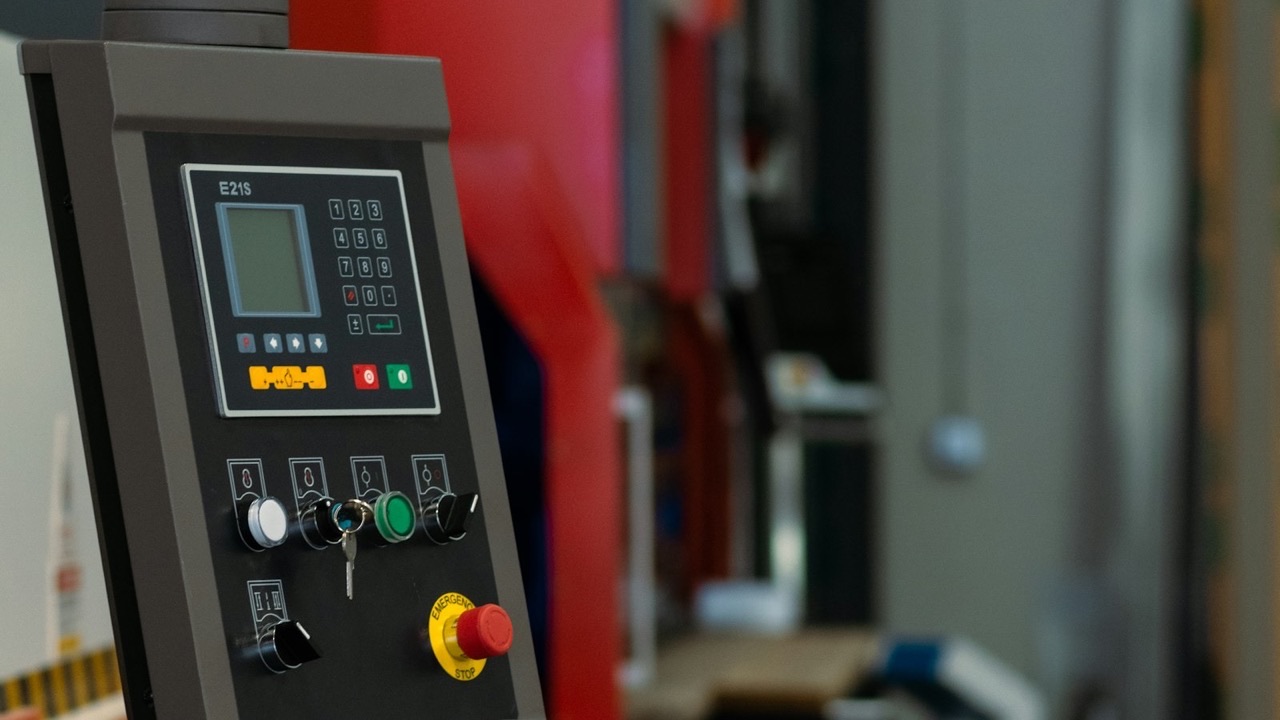
Aluminum is widely used for control panels, equipment faceplates, enclosures, labels, bezels, and industrial covers. It is light, corrosion resistant, easy to machine, and suitable for many surface finishes. When those parts need logos, symbols, warning text, scale marks, or operating instructions, screen printing is one of the most common decoration methods.
For a broader metal-printing overview, see this guide to screen printing on aluminum. Before ordering production parts, buyers should understand what makes printed aluminum durable and what details must be confirmed in the drawing or RFQ.
Can Aluminum Be Screen Printed?
Yes, aluminum can be screen printed, but the result depends on surface preparation, surface finish, ink type, curing, and expected use environment. A clean flat aluminum panel is much easier to print than a greasy, scratched, curved, or heavily textured part. The process is common in industrial products because it can produce sharp text, icons, legends, and branding at repeatable cost.
The problem is not whether printing is possible. The real question is whether the print will adhere, survive handling, and remain readable during the product’s service life.
Surface Type Matters
Aluminum parts may be raw, brushed, anodized, powder coated, painted, polished, or chemically treated. Each surface behaves differently.
Raw aluminum may contain oxide, cutting fluid, fingerprints, and machining residue. It must be cleaned carefully. Brushed aluminum can look premium, but the direction and texture of the brushing can affect print appearance. Anodized aluminum is a common substrate for panels because it can provide a stable surface and attractive finish. Powder-coated aluminum can also be printed, but ink compatibility with the coating must be checked.
Do not assume the same ink and process work equally well on every aluminum finish. If the finish is already decided, tell the printer. If print durability is more important than appearance, ask which finish gives the best adhesion.
Cleaning and Pretreatment
Surface preparation is the most important step. Aluminum parts can arrive with oil, dust, oxide, fingerprints, polishing compound, adhesive residue, or packaging contamination. Any of these can weaken adhesion.
Typical preparation may include degreasing, wiping with appropriate solvent, drying, and handling with gloves. Some applications may require additional pretreatment depending on the finish and ink system. The exact process should be chosen by the manufacturer based on material and production conditions.
Buyers should avoid touching visible printing areas after cleaning. Fingerprints can create small defects that only appear after printing or curing.
Ink Selection and Curing
Ink choice depends on the aluminum surface and end use. Industrial metal screen printing often uses inks designed for adhesion, chemical resistance, abrasion resistance, or outdoor exposure. Some inks require heat curing, while others cure by air drying, UV, or chemical reaction.
If the printed panel will be used outdoors, near solvents, in a factory environment, or under frequent touch, tell the supplier. A decorative logo on a low-contact part has different requirements from operating legends on a machine control panel.
Curing should also be discussed. Under-cured ink may look dry but fail during handling. Overheating can affect coated parts or dimensional stability in some assemblies. The supplier should define a practical curing process for the material and production batch.
Artwork and Registration
Screen printing works well for solid colors, text, symbols, and simple graphics. It is less ideal for full-color photographic images or designs with many gradients. For industrial panels, the most important issues are line sharpness, text readability, color consistency, and registration.
Send vector artwork whenever possible. Define colors using Pantone, RAL, or another agreed reference. Mark the print position on the drawing, including distance from edges, holes, bends, or cutouts. If the part has multiple colors, ask about registration tolerance.
Small text can become hard to print if the font is too thin. Very fine lines may fill in or break. Let the supplier review the artwork before production.
Durability Expectations
Durability should be defined by use. Will the part be touched every day? Will it be cleaned with chemicals? Will it sit outdoors? Will it be exposed to abrasion, oil, heat, or UV? These conditions affect ink choice and whether a protective clear coat or alternative marking method is needed.
For high-wear applications, buyers may consider anodizing with sealed graphics, laser marking, engraving, etching, or printed overlays. Screen printing is versatile, but it is not always the best choice for every environment.
When to Use Alternatives
Laser marking can be better for permanent serial numbers, QR codes, and high-wear identification. Engraving can work for durable labels but may cost more or change appearance. Digital printing can help with full-color graphics or short runs. Labels and overlays may be better when the part geometry makes direct printing difficult.
The best method depends on appearance, quantity, durability, cost, and lead time. A qualified supplier should be able to explain the tradeoffs instead of forcing every project into one process.
RFQ Checklist
For accurate quotes, provide:
- Aluminum grade and thickness
- Surface finish
- Part drawing and flat print area
- Artwork file
- Print colors
- Text size and line width
- Quantity
- Indoor or outdoor use
- Chemical, abrasion, or UV exposure
- Required durability tests, if any
- Packaging requirements to protect printed surfaces
Final Advice
Screen printing on aluminum can produce clean, professional, durable markings when the surface, ink, artwork, and curing process are matched correctly. Most failures come from unclear requirements: unknown surface finish, poor cleaning, unsuitable ink, unrealistic fine details, or underestimated wear conditions.
For industrial panels and enclosures, define the printing requirement as part of the product specification. That makes the result easier to quote, easier to inspect, and more reliable in real use.